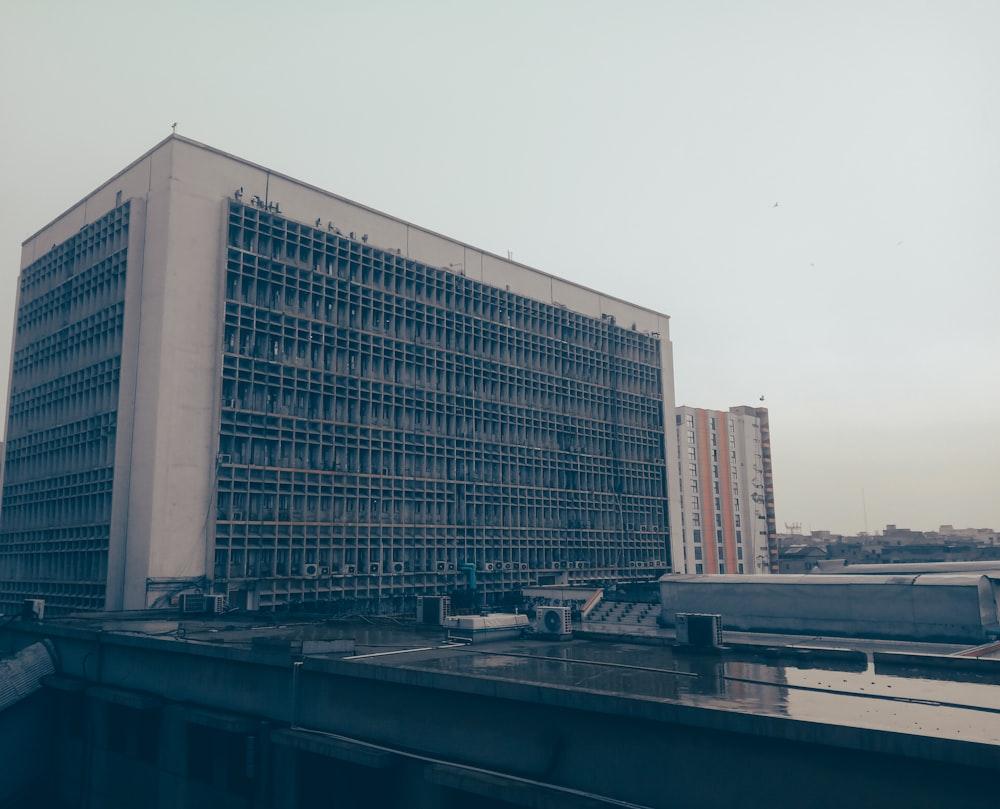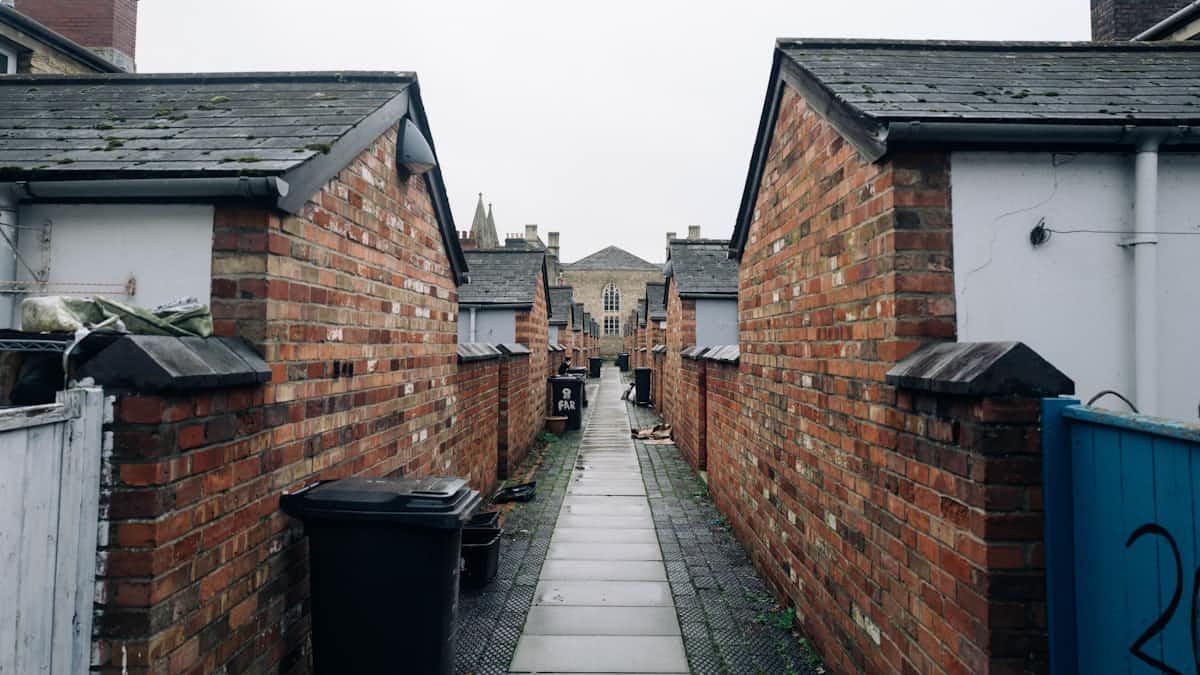
A large share of Karachi's older, denser neighbourhoods sit, wholly or partly, on land that started as a katchi abadi, an informal settlement never originally allotted through the normal leasehold process. Regularization is what converts that status into a documented legal right to the land, and it changes what construction is possible on it. The process is governed by law, but it is one of the least understood parts of Karachi property, because most information about it circulates as rumour rather than from the actual Act and Regulations.
The Legal Framework
The Sindh Katchi Abadis Act, 1987, created the Sindh Katchi Abadi Authority (SKAA) and gave it the mandate to regularize, improve, upgrade and, where necessary, resettle katchi abadis that existed before a legally defined cutoff date. The Sindh Katchi Abadis Authority (Regularization, Improvement and Development) Regulations, 1993, set out the detailed procedure: how an abadi is declared, how individual plots within it are surveyed and leased, and what development obligations follow.
This is a provincial legal process with a defined authority, not an informal or discretionary arrangement, and that distinction matters. A settlement's katchi abadi status under this Act is a specific legal designation, established through a formal notification, not simply a description of how a neighbourhood looks or how long people have lived there.
What "Regularization" Actually Means
Regularization does not transfer freehold ownership. Under Regulation 21 of the 1993 Regulations, an occupant of land within a declared katchi abadi who meets the eligibility criteria receives rights in the nature of a lease, generally for a period of 99 years, under Regulation 23. This distinction, lease rather than freehold, matters for anything you plan to build, because lease conditions can attach construction restrictions the way any other leasehold document does.
The regularization process itself follows a defined sequence once an area is notified for regularization: scrutiny of the documents submitted by occupants claiming eligibility, physical site verification of the claimed plot boundaries and occupancy, and issuance of the lease once both are confirmed. Development and upgrading work associated with regularizing an abadi, roads, drainage, utilities, is intended to be self-financing under the regulations rather than centrally funded in full.
The Cutoff Date, and Why It Keeps Moving
Eligibility for regularization under the Act depends on when a settlement was established, measured against a cutoff date set by the government. That date has moved more than once, and each move is itself a specific legal event, not an automatic extension.
The original cutoff for eligible settlements was set at pre-1985 abadis, later administered in practice up to June 30, 1997. On 15 April 2022, the Sindh cabinet approved amending the Sindh Katchi Abadis Act to extend the cutoff date from June 30, 1997 to December 31, 2011, which would bring settlements formed in that fourteen-year window into eligibility for the first time (Dawn, 16 April 2022). A cabinet decision to amend an Act is a step in the legislative process, not the amendment itself, so the current, legally operative cutoff date for your specific settlement should be confirmed with SKAA directly rather than assumed from any single news report, including this one.
If your property's regularization eligibility depends on when the settlement was established, this is the single most important fact to verify before planning any construction, addition, or transfer, because it determines whether you are working with a documented lease or with occupancy that has not yet been formally regularized.
What You Can Build in a Regularized Katchi Abadi
Once a plot is regularized and leased, construction on it is not unrestricted. The 1993 Regulations and subsequent SBCA-aligned provisions apply height and storey limits specifically calibrated to katchi abadi areas, which are tighter than the standard SBCA residential table in some respects. Under the applicable provisions, the number of storeys in katchi abadi areas is restricted to Ground Plus One (G+1) across all plot sizes, with a maximum height of 25 ft.
This is a meaningfully different envelope from what the standard SBCA residential table permits on an equivalent plot size outside a katchi abadi, and it is one of the most commonly misunderstood points among residents planning to add a floor once their lease comes through. Regularization confirms your legal right to the land. It does not, by itself, unlock the same building envelope a freehold or standard-leasehold plot of the same size would carry elsewhere in the city.
Beyond the height cap, ordinary construction requirements still apply: professional drawings for anything beyond minor repair, structural soundness appropriate to the number of floors actually being built, and, once the lease is in hand, a building plan submission through the appropriate channel for the area.
What to Check Before You Spend Money Building
Whether your specific plot has an issued lease, not just settlement-level regularization notification. An area being declared for regularization and an individual occupant holding an issued lease are two different stages. Construction and transfer rights attach to the individual lease, not to the area-wide notification.
Whether your settlement falls within the currently operative cutoff date. Given the cutoff date's legislative history, confirm the current position with SKAA rather than relying on an older or more recent figure you may have heard secondhand.
The height and storey limit that actually applies to your plot, which for katchi abadi areas is G+1 and 25 ft under the applicable provisions, materially different from standard SBCA brackets. Our SBCA setback and FAR table sets out the standard figures for comparison, precisely so the difference is visible.
What the lease itself restricts, once issued, the same way any cantonment or KDA lease can carry conditions beyond the general regulation. Read the lease terms before committing to a design.
Why This Matters for Renovation and Addition Plans
We are regularly asked to price additions, most often a second floor for a growing family, on plots in Karachi's older, denser neighbourhoods where regularization history is genuinely mixed within the same street. Two houses that look identical from the outside can sit on very different legal footing, one on an issued 99-year lease with a confirmed G+1 entitlement, the other still on unregularized occupancy where any formal construction plan submission is premature until the lease question is resolved. Confirming which situation applies before pricing or designing anything is not a bureaucratic formality; it determines whether the project is buildable at all in its currently planned form.
If your lease is confirmed and you are planning that second floor, get the structural side priced properly before you spend money on drawings, since an older house was rarely built to carry an extra storey without checking the foundation first. Our second floor addition service covers exactly this, from the structural check through to the finished floor.
Frequently Asked Questions
What is a katchi abadi, legally, in Sindh? A settlement formally notified and declared as a katchi abadi under the Sindh Katchi Abadis Act, 1987, established before a legally defined cutoff date, and subject to the Sindh Katchi Abadis Authority (Regularization, Improvement and Development) Regulations, 1993.
Does regularization give me ownership of the land? Not in the sense of freehold title. Under Regulation 21 read with Regulation 23 of the 1993 Regulations, eligible occupants receive rights in the nature of a lease, generally for 99 years, rather than outright ownership.
What is the current cutoff date for katchi abadi regularization eligibility in Sindh? Historically administered up to June 30, 1997. The Sindh cabinet approved extending this to December 31, 2011 on 15 April 2022, but confirm the currently operative date with the Sindh Katchi Abadi Authority directly, since a cabinet approval and a finalised legislative amendment are not the same step.
How many floors can I build on a regularized katchi abadi plot? Under the applicable provisions, katchi abadi areas are restricted to Ground Plus One (G+1) with a maximum height of 25 ft, regardless of plot size, which is more restrictive than the standard SBCA table for an equivalent freehold or leasehold plot elsewhere in the city.
Can I build before my lease is formally issued? Area-wide regularization notification and an individual issued lease are different stages. Formal construction plan submission is tied to the individual lease. Confirm your plot's specific status with SKAA before planning construction.
Do all houses on the same street have the same regularization status? Not necessarily. Regularization history within a single neighbourhood can be mixed, with some plots on issued leases and neighbouring plots still awaiting regularization. Each plot's status should be confirmed individually.
Who administers katchi abadi regularization in Sindh? The Sindh Katchi Abadi Authority (SKAA), established under the Sindh Katchi Abadis Act, 1987.
What happens to development costs, roads, drainage, utilities, during regularization? Under the 1993 Regulations, development and upgrading work associated with regularizing an abadi is intended to be self-financing rather than centrally funded in full, meaning residents typically contribute toward these costs as part of the process.
Confirm What You Can Build Before You Design
Naffees & Sons has worked across Karachi's older and denser neighbourhoods since 1972, including areas with mixed regularization history. We help confirm what your plot's actual legal and construction status allows before pricing or designing anything.
Related guides: