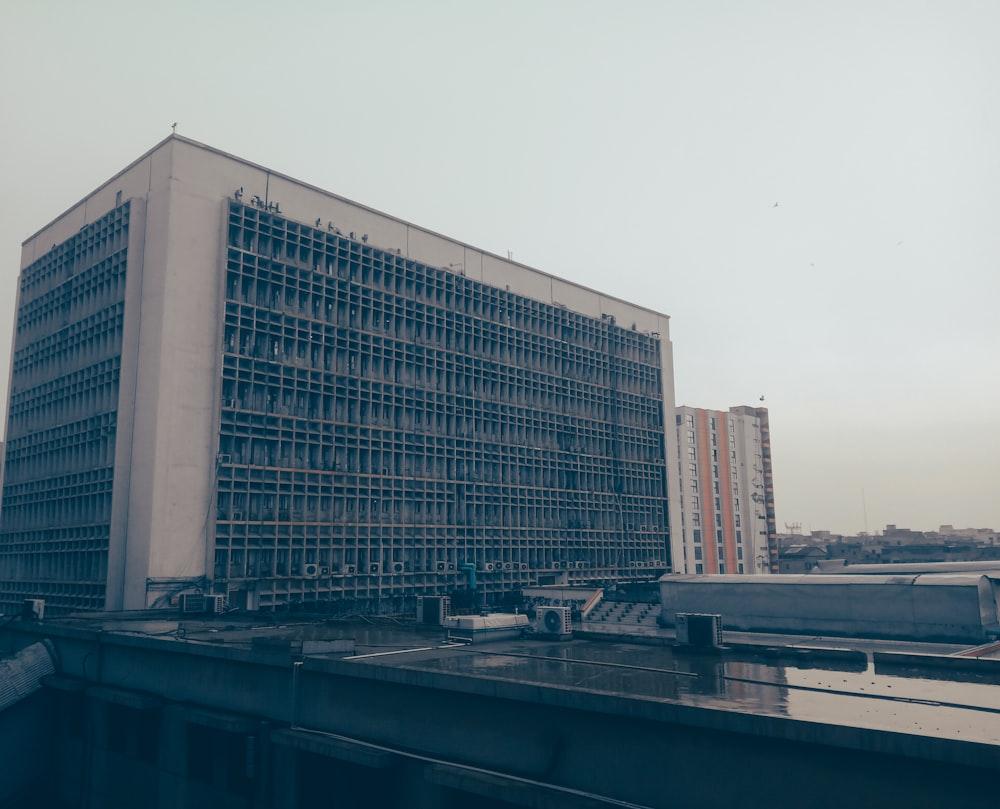
The Sindh Building Control Authority has declared 588 buildings in Karachi dangerous, of which 59 are categorised as extremely hazardous and 39 have had demolition approved (Dawn, 2026). Most of those buildings did not fail suddenly. They corroded, cracked and settled for years while owners treated the symptoms with plaster and paint. Structural repair in Karachi is the difference between a building that gets rehabilitated and one that gets a demolition order. Naffees & Sons has assessed and repaired structures across the city since 1972.
Smallest job we take: PKR 5 lakh. Largest plot we build on: 1,000 sq yd. Everything in between is the same contract, materials, labour, approvals and supervision from one party, at one price agreed before work starts. We do not do labour-only or material-excluded contracts.
Structural Repair and Rehabilitation Costs at a Glance
Structural work is priced by element and severity, not by square foot, because two buildings of identical size can need wildly different interventions. The ranges below reflect what Karachi owners are quoted in 2026. Exact pricing depends entirely on what an engineer finds when the concrete is opened up, so treat any figure quoted before investigation as provisional.
| Intervention | Typical cost (PKR) | When it's needed |
|---|---|---|
| Structural assessment and engineer report | 30,000 – 80,000 | Always first, before any repair is priced |
| Crack injection and concrete patch repair | 1,500 – 4,500 per running ft | Non-structural cracks, early-stage spalling |
| Column jacketing (RCC) | 40,000 – 90,000 per column | Undersized or distressed columns, added load |
| Foundation widening or underpinning | 80,000 – 200,000 per footing | Settlement, inadequate bearing area |
| Slab strengthening or replacement | 900 – 2,200 per sq ft | Corroded reinforcement, deflection, leakage damage |
| Full structural rehabilitation | 3,000 – 4,000 per sq ft | Whole-building programme, older structures |
The assessment is the only item on this list you should ever commission blind. Everything below it should be priced against a written engineer's finding, not an estimate from someone who looked at a wall.
What Drives Structural Repair Costs in Karachi in 2026–2027
Steel prices, because repair is steel-heavy. Jacketing, slab strengthening and underpinning all consume reinforcement disproportionately relative to their footprint. Steel rebar has traded between PKR 258 and 285 per kg through 2026, with cement at PKR 1,350 to 1,570 per bag (Daily Ausaf, 2026). Structural repair feels rebar price movement more sharply than a new build does.
Construction input inflation. Construction input costs rose 15.31% year on year as of mid-2026 (Pakistan Bureau of Statistics, 2026), against a construction sector growing 5.73% in FY26 (Dawn, 2026). Specialist structural crews are in short supply as enforcement drives demand.
Karachi's specific corrosion problem. Chloride exposure near the coast, combined with inadequate concrete cover in mid-century construction, produces reinforcement corrosion at a rate that inland Pakistani cities do not see. Corroding steel expands, cracks the concrete around it, admits more moisture and accelerates. By the time rust staining appears on a soffit, section loss is usually well advanced. This is why Karachi repair scopes routinely grow once concrete is opened.
Access and occupancy. Most rehabilitation happens in occupied buildings. Propping, phased working, protecting residents and restricting hours all add cost and time compared with an empty structure.
What's Included in Our Structural Repair Scope
Engineer-Led Assessment and Diagnosis
A licensed structural engineer inspects the frame, records crack patterns, widths and locations, checks for deflection and settlement, and where warranted uses cover meter and rebound hammer testing to establish concrete cover and surface strength. Where corrosion is suspected, concrete is opened at sample locations to see actual steel condition. The output is a written report stating what is wrong, whether it is structural or cosmetic, what the remaining capacity is, and what intervention is required. We do not quote repair work without one, because pricing a repair from a visual walk-through is guesswork dressed as a number.
Crack Repair and Concrete Restoration
Not every crack is structural. Shrinkage and thermal cracks in plaster are cosmetic and need sealing, not surgery. Structural cracks, those that run through the concrete, follow load paths, widen over time or appear at column-beam junctions, need injection grouting or full patch repair. Restoration involves cutting back to sound concrete, cleaning and treating exposed reinforcement, replacing section-lost bars where needed, and rebuilding with a bonded repair mortar. Painting over a structural crack is the single most common thing we are asked to undo.
RCC Column Jacketing and Frame Strengthening
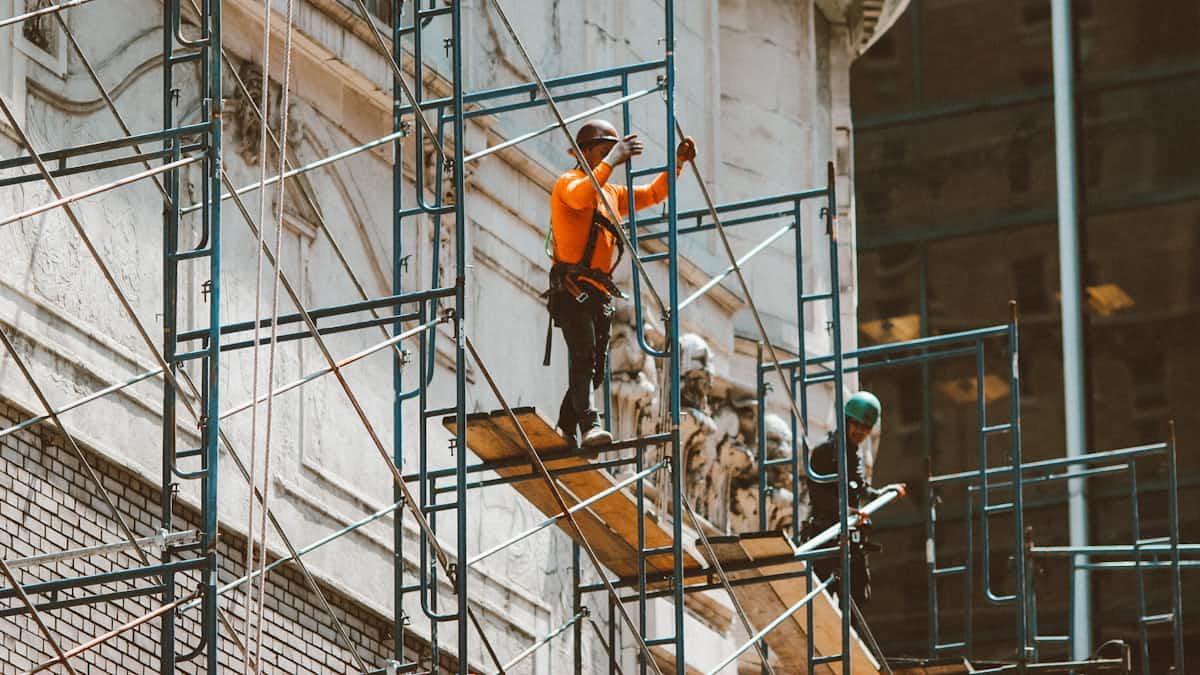
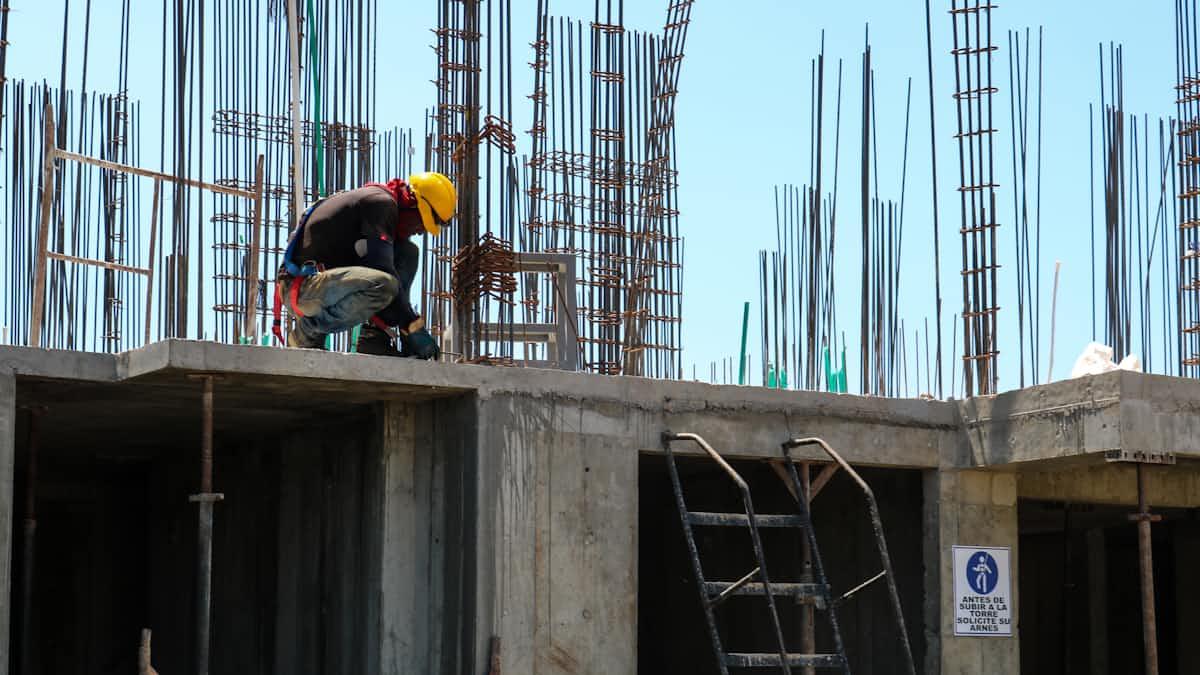
Where columns are undersized, distressed or must carry additional load, jacketing wraps additional reinforced concrete around the existing member to restore or increase capacity. Steel jacketing is used where space is tight or speed matters. Beam strengthening follows similar principles. This work is sequenced with propping so that load is temporarily transferred while a member is being worked on, which is precisely the step informal crews skip. Our civil work contractor service covers the wider RCC scope this sits within.
Foundation Underpinning and Settlement Correction
Differential settlement shows as diagonal cracking, doors that stop closing and visibly out-of-level floors. Correction means widening or deepening footings to increase bearing area or reach competent soil, executed in sequenced bays so the structure is never simultaneously unsupported across its length. This is the most technically demanding work in the category and the least suitable for a general contractor without engineering supervision.
Stopping the Water That Caused It
Almost every corrosion case we attend in Karachi traces back to water reaching steel that should have stayed dry. A failed roof detail, a leaking embedded pipe, a parapet with no coping, or a bathroom waterproofing membrane that gave up a decade ago. Repairing the concrete without finding and closing that path guarantees the repair fails, usually within a few years, and usually after the warranty has expired. We trace the ingress source as part of diagnosis and price its correction alongside the structural work, whether that means re-detailing a roof junction, replacing a buried pipe run, or rebuilding a parapet. Clients sometimes push back on this because it feels like scope inflation on top of an already unwelcome bill. It is the opposite: it is the only part of the job that determines whether you pay for this repair once or twice.
The Sindh Building Control Authority reported 588 dangerous buildings in Karachi, including 444 heritage structures, with 59 evacuated and demolition approved for 39 (Pakistan Today, 2026).
How to Choose a Structural Repair Contractor in Karachi
This is the category where hiring badly has consequences beyond money. A cosmetic repair on a structural problem does not fix the building, it hides the evidence.
Red flags:
- Quotes repair work without a structural engineer's assessment
- Proposes to fill and paint cracks without diagnosing why they formed
- Cannot name the licensed structural engineer who will certify the work
- Has no propping plan for jacketing or underpinning
- Prices the whole job as a fixed lump sum before any concrete has been opened
- Suggests the building is fine when SBCA has already flagged it
Compare quotes on diagnosis, not price. Ask all three what they think is causing the problem and how they know. A contractor who says "settlement" and one who says "reinforcement corrosion" are describing different buildings, and only one of them is right. Require the assessment as a separate, standalone deliverable you own, so you can take it to a second contractor. Confirm whether the quote covers investigation opening-up and making good, and what happens to the price if the opened concrete is worse than assumed. That contingency mechanism, stated in writing, matters more than the headline figure.
What belongs in the written scope. The engineer's name and certification, the specific members being treated, the propping methodology, the repair materials by product, the testing and sign-off at completion, and a clear statement of what is excluded pending investigation.
Payment milestones. Assessment paid separately on delivery of the report. Then advance capped at 15 to 20 percent, with payments tied to propping in place, element-by-element completion, and engineer's sign-off. Retain 10 percent through at least one monsoon, because water ingress is what re-triggers corrosion.
How Naffees & Sons Delivers
Fifty years of building in Karachi means we have also spent fifty years being called to buildings that were built badly by someone else. Our approach starts with the engineer, not the quote. We commission or coordinate the structural assessment first, share the report with you in full, and price only what it identifies.
During execution our own site engineer supervises propping and sequencing, because the dangerous moments in structural repair are the hours when load is transferred, not the days when concrete cures. We work in occupied buildings regularly and phase the work so that residents can stay where it is safe for them to do so, and we say plainly when it is not.
We also tell clients when repair is not the right answer. On a recent inspection of an older multi-storey structure, corrosion had progressed through the slab reinforcement across most of the building, and the honest recommendation was rebuild rather than rehabilitate. Where that is the outcome, our demolition contractor service handles the teardown and rebuild under one contract. More about our approach on our homepage and across our services.
Repair, Rehabilitate, or Rebuild?
| Factor | Targeted repair | Full rehabilitation | Demolish and rebuild |
|---|---|---|---|
| Best when | Localised damage, sound frame overall | Widespread deterioration, frame still viable | Frame compromised, or repair approaches rebuild cost |
| Typical cost | PKR 40,000 – 200,000 per element | PKR 3,000 – 4,000 per sq ft | Demolition PKR 75 – 360 per sq ft, then full rebuild |
| Duration | 2 – 6 weeks | 3 – 8 months | 8 – 14 months end to end |
| Occupancy | Usually possible | Partial at best | Not possible |
| Outcome | Original life restored locally | Extended service life, updated systems | New structure, new design life |
| Approval | Generally not required | Required if structural or layout changes | Demolition notification plus new building plan |
The decision rule we give clients is economic and structural at once: when the cost of rehabilitation passes roughly sixty percent of rebuild cost, and the existing layout is not what you would choose today, rebuilding almost always wins. Below that, and with a sound frame, repair is the better return. The demolition cost guide gives the comparison figures for the rebuild side of that calculation.
Real Costs: A Karachi Structural Repair Case Study
An owner of a 1970s double-storey house in a central Karachi neighbourhood noticed diagonal cracking above two ground floor windows and rust staining on the underside of the first floor slab. Two contractors had offered to fill and repaint for around PKR 120,000.
| Line item | Cost (PKR) |
|---|---|
| Structural assessment, testing and engineer's report | 71,000 |
| Investigation opening-up at six locations, plus making good | 58,000 |
| Slab soffit repair: cut back, treat steel, bar replacement, patch (210 sq ft) | 340,000 |
| Column jacketing, two ground floor columns | 148,000 |
| Structural crack injection, 34 running ft | 96,000 |
| External waterproofing to stop ingress at source | 187,000 |
| Propping, access and making good finishes | 112,000 |
| Engineer supervision and completion certification | 84,000 |
| Total | ~1,096,000 |
Seven weeks, with the family remaining in the property throughout. The assessment found the cracking was a symptom of slab reinforcement corrosion driven by long-term water ingress from a failed roof detail. Filling and painting for PKR 120,000 would have concealed an actively corroding slab for perhaps two years while the section loss continued.
Frequently Asked Questions
How much does structural repair in Karachi cost?
A structural assessment costs PKR 30,000 to 80,000 and should always come first. After that, column jacketing runs PKR 40,000 to 90,000 per column, foundation underpinning PKR 80,000 to 200,000 per footing, and slab strengthening PKR 900 to 2,200 per square foot. A whole-building rehabilitation programme typically runs PKR 3,000 to 4,000 per square foot. Precise pricing is only possible after investigation, because concrete condition is not visible from the surface.
How do I know if a crack is structural or cosmetic?
Cosmetic cracks are usually thin, confined to plaster, and often follow no consistent pattern. Structural cracks tend to be wider, run through the concrete rather than the finish, appear at column-beam junctions or follow diagonal load paths, and widen over time. Rust staining, spalling concrete or exposed reinforcement always indicates a structural issue. Only an engineer's assessment settles it definitively, and guessing wrong in either direction is expensive.
How long does building rehabilitation take?
Targeted repair of localised damage takes two to six weeks. A full rehabilitation programme on a deteriorated structure runs three to eight months depending on scale and whether the building stays occupied. Assessment and diagnosis add two to four weeks up front, and that time is not optional.
Can I stay in the building during structural repair?
Often yes for targeted repairs, with propping and phased working. It becomes unsafe during certain phases of underpinning and major slab work, and any contractor who tells you otherwise on those specific operations is not managing the risk properly. Where SBCA has declared a structure dangerous, evacuation may be mandatory rather than optional.
Do I need approval for structural repair work?
Repairs that restore a structure to its original condition generally do not require a new building plan, but work that alters the structure, changes load paths or adds capacity for additional floors does. If your building is on SBCA's dangerous buildings list, the authority is already involved and repair proposals will need to satisfy it. Our SBCA building regulations guide covers the approval framework, and our dangerous building declaration guide sets out the legal process behind a dangerous-building notice, the grounds SBCA acts on, and what happens if it is ignored.
Why is corrosion such a problem in Karachi specifically?
Chloride exposure near the coast combines with the thin concrete cover common in mid-century Karachi construction. Chlorides reach the reinforcement, corrosion begins, and rusting steel expands to several times its original volume, cracking the concrete that was protecting it. That admits more moisture and the process accelerates. It is why a Karachi building of a given age is frequently in worse structural condition than an inland one.
When should I rebuild instead of repair?
When rehabilitation cost approaches roughly sixty percent of rebuild cost, when deterioration is widespread rather than localised, or when the existing layout no longer suits how you want to live. A structurally sound building with localised damage is almost always worth repairing. A building with widespread reinforcement corrosion through its primary structure rarely is. The assessment gives you the facts to make that call rather than a hunch.
What guarantees should a structural repair contractor give?
Insist on an engineer's completion certificate confirming the work was executed to the specified design, retention of around 10 percent held through at least one monsoon, and a defects liability period covering the repaired elements. Also insist that the root cause was addressed, not just the symptom. A slab repair without fixing the water ingress that corroded it will fail again, and a warranty on the patch alone is worth very little. Broader renovation scope is covered in our full house renovation guide.
Do you take small construction and renovation jobs?
Yes. We work on projects from PKR 500,000 upward. A single bathroom, a kitchen, or an upper-portion addition is scoped, contracted and supervised exactly the same way as a full build: a written Bill of Quantities with named materials, a fixed price, and daily site supervision. The only thing that changes with project size is the programme length.
Is there a minimum plot size you will build on?
No. We build on plots from 80 square yards upward, and the majority of what we do sits between 120 and 400 sq yd, the standard Karachi plot sizes across Gulshan-e-Iqbal, PECHS, Nazimabad and Gulistan-e-Johar. For what each size costs to build in 2026, see our house construction cost by plot size guide.
What does it cost to build a house on a 120 square yard plot in Karachi?
A ground-plus-one 120 sq yard house, about 1,800 sq ft covered, costs roughly PKR 68–90 lac at economy specification and PKR 90 lac–1.35 crore at standard, excluding land, approvals and professional fees. Full breakdowns for every size from 80 to 1,000 sq yd are in our plot size cost guides.
Worried About Your Building's Structure?
Get a free, no-obligation site visit from Naffees & Sons — Karachi's trusted builders since 1972. We assess honestly, tell you if repair is the wrong answer, and handle permits through to handover under one contract.