Most Karachi homeowners demolishing an old house to rebuild think of it purely as an expense. It is one, but it is also the one moment in the whole project where something you are paying to remove has money sitting inside it. Reinforcement steel, timber, aluminium, copper wiring, and sometimes fixtures still in usable condition, all of it has resale value in Karachi's scrap market, and almost none of it is captured by clients who hire demolition labour directly.
This guide covers what is actually recoverable from a demolished Karachi structure, what it is worth at current rates, and exactly how that value should be credited back to you as a specific line in your construction payment schedule rather than a vague promise made at the start of the project.
The Principle: A Financial Credit, Not Material Reuse
Before the numbers, the mechanism needs to be stated precisely, because getting this wrong is both a safety issue and a credibility one.
What happens is this: recoverable material from the demolished structure is sold into Karachi's scrap market, and the money that sale realises is credited against the client's project cost. What does not happen is old reinforcement steel being cut, cleaned and reinstalled as structural steel in the new building. Steel recovered from a demolition is of unknown, variable condition, it may be corroded, over-stressed, or simply the wrong grade for what a structural engineer has specified for the new build. Reusing it structurally to save money would be a genuine safety compromise, and it is not something a credible contractor should do or claim to do.
So the value comes from a sale, not from reuse. That distinction matters for how you should evaluate any contractor who raises this with you: if anyone offers to "put your old rebar back into your new house," that is a red flag, not a value-add.
What Actually Has Scrap Value
Not everything coming out of a demolished structure is worth anything, and knowing the difference sets realistic expectations.
Has genuine value:
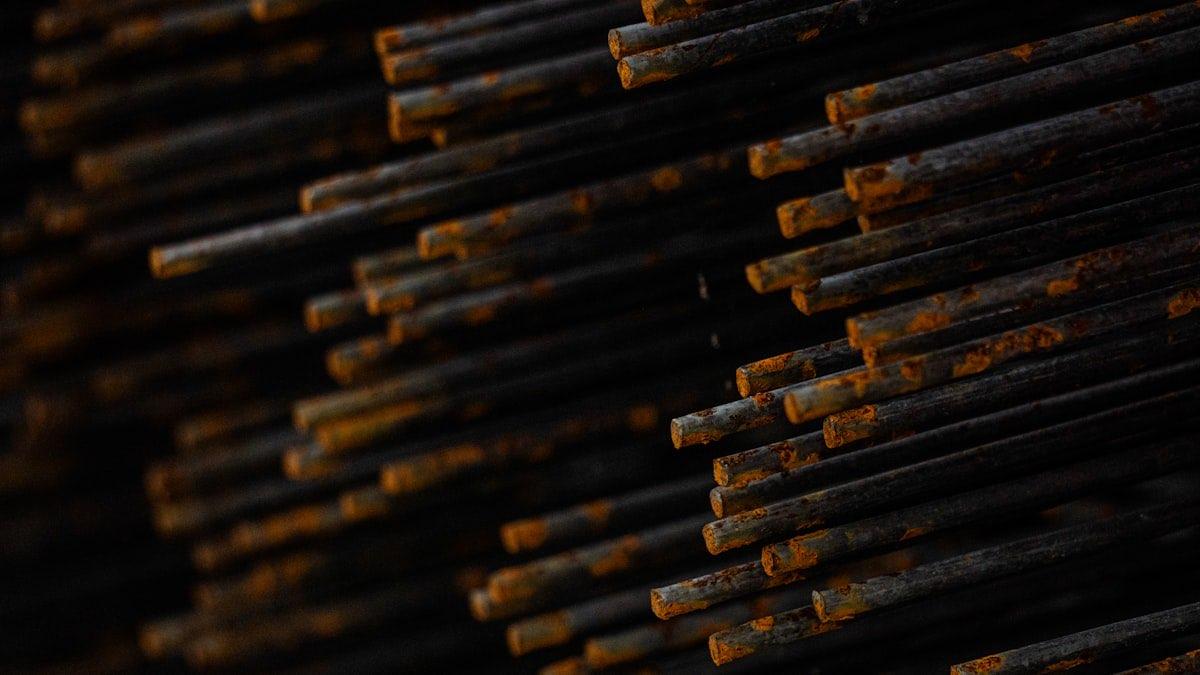
- Reinforcement steel from columns, beams and slabs
- Structural steel sections, where present
- Copper wiring, stripped from conduits
- Aluminium window and door sections
- UPVC sections, to a lesser extent
- Timber from doors, window frames and roof trusses, if sound
- Sanitary fixtures and fittings still in working condition, sold rather than scrapped
Has little to no recoverable value:
- Brick and block masonry, generally not economical to clean and reuse
- Plaster, tile and general demolition debris
- Concrete, beyond its function as fill material on some sites
- Old wiring insulation, glass, and general fixtures in poor condition
The steel is almost always the largest single category by value, simply because a Karachi house of any real size contains several tonnes of it between the foundation, columns, beams and slabs.
Current Scrap Rates in Karachi
Scrap prices move with the broader steel market and with the specific grade and condition of the material. As a general orientation as of mid-2026, mixed iron scrap in Karachi has traded around PKR 39 to 40 per kg, while clean, heavy structural scrap such as plates and beams (graded as HMS 1) commands roughly 15 to 20 percent more, in the PKR 45 to 47 per kg range (getscraprate.com, iron scrap price data, Karachi, June 2026). Premium-grade steel scrap sold through established dealers has traded as high as PKR 240 to 260 per kg for higher-value categories, against roughly PKR 145 to 200 per kg for ordinary old iron scrap city-wide (scrap rate market data, 2026).
These figures move regularly, sometimes week to week, which is exactly why we do not quote a fixed scrap value upfront on any project. What we do instead is assess the recoverable tonnage and grade at the point of demolition and price it against the rate on the day it is actually sold, which is the only honest way to do it.
To put the steel component in context: Pakistan's steel industry remains heavily import-dependent, with roughly 85 percent of production relying on imported billets and scrap (GJBMS, 2025), which is part of why domestic scrap retains real, consistent demand rather than being a marginal byproduct nobody wants.
How Much a Demolition-Rebuild Can Realistically Recover
This is worth being honest about, because the range is wide and depends entirely on the specific structure.
A single-storey Karachi house of standard 1970s to 1990s construction typically contains 3 to 6 tonnes of reinforcement steel across its foundation, columns and roof slab, along with modest quantities of timber, aluminium and copper. At current mixed scrap rates, that steel alone can realise somewhere in the region of PKR 120,000 to 260,000 before accounting for timber, metal fixtures and wiring, which add a further, smaller amount depending on condition.
On a double-storey structure of the same era, steel content roughly doubles, and so does the potential recovery. On an older structure with genuinely load-bearing masonry and comparatively little reinforcement, the recoverable steel value is correspondingly lower, and the honest answer is that the credit will be modest.
As a share of total rebuild cost, this typically works out to somewhere between 1 and 4 percent of the new construction budget, meaningful, worth having, but not something to plan a budget around as if it were guaranteed. Treat any number offered to you before your specific structure has been assessed as a rough estimate, not a commitment.
How the Credit Is Applied to Your Payment Schedule
This is the part that matters most in practice, and it is where an honest arrangement is easy to distinguish from a vague one.
The material is assessed before demolition starts. A rough estimate of recoverable tonnage and category is made from the structural drawings if available, or from a physical inspection of the existing structure.
Recovered material is weighed and documented at removal. As steel, timber and other categories are stripped out, quantities are recorded. This is the record that makes the eventual credit verifiable rather than a number pulled from nowhere.
Material is sold at the prevailing market rate. Not at a rate fixed weeks earlier, and not at a rate the client has no visibility into.
The realised value is applied as a specific line item in the payment schedule, most naturally offset against the demolition milestone itself, or against the first construction milestone if demolition and rebuild are contracted together. It should appear on your account statement as a documented credit, quantity and rate shown, not folded silently into a headline number where you cannot verify it happened at all.
This follows the same logic that should govern every payment on a Karachi construction project: nothing should be based on a vague promise, every amount should be tied to something verifiable. Our construction payment schedule guide sets out the full milestone structure this fits inside, tied to physical progress rather than calendar dates, with retention held past handover. A scrap credit is a small piece of that same discipline: documented, dated, and applied where both parties can see it.
Why Direct-Hire Demolition Loses This Value Entirely
Clients who hire demolition labour directly, without a managing contractor, almost never see any of this. The mechanics are simple and unfavourable to the client: the labour crew clears the site, the debris and everything in it leaves with them, and whatever scrap value existed disappears into an arrangement the client was never part of. The client has paid full price for the demolition and received nothing back for the material that came out of it.
This is a specific version of a pattern that shows up across unmanaged Karachi construction generally: value that a managed contractor captures and passes back to the client is value that simply evaporates when the same work is done piecemeal through direct-hire labour. Our comparison of hiring labour directly versus a contractor covers the wider pattern, of which this is one concrete example with a real number attached.
What to Ask Before Demolition Starts
If you are demolishing an existing structure ahead of a rebuild, four questions are worth asking any contractor before work begins.
Who assesses the recoverable material, and when? It should happen before demolition, not as an afterthought once debris is already mixed together.
Where does the scrap get sold, and at what rate? You are entitled to know this was sold at a genuine market rate rather than handed off informally.
How is the credit documented? Quantity and rate should appear as a specific, dated line item you can see, not a vague adjustment to a total.
Where does the credit land in the payment schedule? Against the demolition milestone, or against the first construction milestone, agreed in writing before work starts rather than negotiated afterward.
A contractor who cannot answer these clearly, or who suggests the old steel will somehow be reused in your new structure, is one to be cautious of for reasons well beyond the money involved.
Timber, Fixtures and the Smaller Categories
Steel dominates the value conversation because it is the largest category by weight and by price, but it is worth being specific about the smaller categories too, because expectations here are where clients are most often disappointed.
Timber from doors, window frames and roof trusses has value only if it is sound. Termite damage, rot from long-term water exposure, and warping from age all reduce or eliminate resale value, and a large share of the timber in an older Karachi house has been exposed to at least one of these. Sound teak or better hardwood retains real value; soft or damaged wood is close to worthless as salvage and is usually disposed of with general debris instead.
Aluminium and UPVC window sections hold value mainly by weight for aluminium, and are recycled as plastic rather than resold intact for UPVC in most cases. Neither category typically approaches the value of the steel recovered from the same structure, but both are worth separating out during demolition rather than mixing into general debris, since mixed material sells for less than sorted material.
Copper wiring carries meaningful value per kilogram once stripped of its insulation, but the quantity in a standard residential structure is modest compared to steel, generally a few kilograms rather than tonnes. It adds to the total credit without changing the overall picture much on its own.
Fixtures and fittings, sanitary ware, taps, and similar items in genuinely usable condition, are occasionally sold on rather than scrapped, which can realise more than their scrap weight alone. This only applies to items in good working order, and it is a small, opportunistic category rather than something to expect on every project.
The honest summary: steel does the heavy lifting in any scrap-value calculation, and the smaller categories add a modest amount on top rather than changing the order of magnitude.
What We Do
Naffees & Sons assesses recoverable material before any demolition begins, documents quantities as they are stripped out, sells into the scrap market at the prevailing rate rather than a rate fixed in advance, and credits the realised value as a specific, verifiable line in the payment schedule. It is a financial offset from a genuine scrap sale, stated plainly, never a claim that old material gets reused structurally in your new build.
Frequently Asked Questions, Demolition Scrap Value in Karachi
How much is the scrap from a demolished house worth in Karachi? It varies significantly by structure, but a typical single-storey house of standard construction contains 3 to 6 tonnes of reinforcement steel, which at current mixed scrap rates can realise roughly PKR 120,000 to 260,000, before timber, aluminium and copper. As a share of total rebuild cost, this generally works out to 1 to 4 percent, worthwhile but not something to budget around before your specific structure is assessed.
Does my old steel get used in my new house? No, and it should not be. Recovered steel is sold for its scrap value because its condition and grade are unknown and may not meet what a structural engineer has specified for the new build. Reusing it structurally would be a safety compromise. The value you receive is a financial credit from the scrap sale, not the material itself coming back into your new structure.
What is the current scrap steel rate in Karachi? As of mid-2026, mixed iron scrap has traded around PKR 39 to 40 per kg, with clean structural scrap (HMS 1 grade) commanding roughly 15 to 20 percent more, in the PKR 45 to 47 per kg range. Rates move regularly, so any credit should be calculated against the rate on the day the material is actually sold.
What materials from a demolition are actually worth money? Reinforcement and structural steel, copper wiring, aluminium and to a lesser extent UPVC window and door sections, and timber in sound condition. Brick, block, plaster, tile debris and concrete generally have little to no resale value.
How is the scrap credit applied to my construction payments? It should appear as a specific, documented line item, quantity and rate shown, applied against the demolition milestone or the first construction milestone, agreed in writing before demolition starts. It should never be folded silently into a total where it cannot be verified.
Should I sell the scrap myself instead of leaving it to the contractor? You can, though it means managing the sale yourself, verifying weights and grades, and finding a buyer at a fair rate, which is exactly the coordination work a managing contractor otherwise absorbs. If your contractor handles it, insist on documentation so the credit is verifiable either way.
What happens to scrap value if I hire demolition labour directly rather than a contractor? In most cases, nothing comes back to you. The debris and everything recoverable within it typically leaves with the labour crew, and the client receives no credit for it, on top of paying full price for the demolition itself.
Is the scrap value the same for every house? No. It depends heavily on the structure's age, size, storey count and construction type. Older masonry buildings with comparatively little reinforcement recover far less than a modern RCC-frame structure of the same footprint. Treat any estimate given before your structure is assessed as rough.
Get Your Demolition Scrap Assessed
Naffees & Sons assesses recoverable material before demolition starts and credits the realised scrap value against your project cost as a documented line in your payment schedule.
Get Your Demolition Scrap Assessed →
Related guides: